
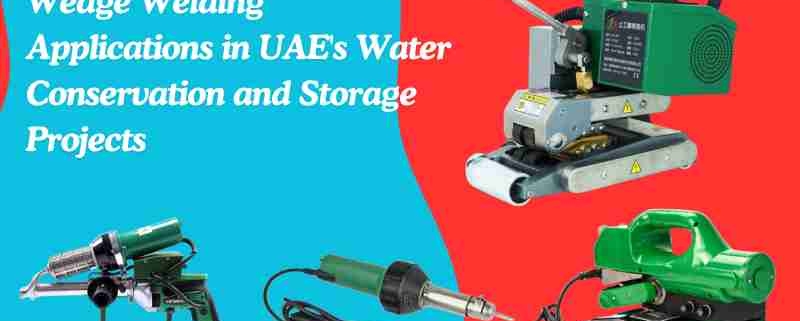
Water scarcity stands as the United Arab Emirates’ most pressing environmental challenge, with annual rainfall averaging less than 100mm in most areas and natural freshwater resources severely limited. This fundamental constraint has driven the UAE to become a global leader in water management innovation, investing billions of dirhams in desalination facilities, strategic reserves, distribution networks, and conservation infrastructure. Behind these critical water systems lies a technology essential to their success yet rarely discussed in public discourse: advanced wedge welding for geomembrane installations. From massive strategic water reserves securing Dubai and Abu Dhabi’s water supply to agricultural storage systems supporting food security initiatives, wedge welding technology enables the reliable, efficient construction of containment systems preventing precious water resources from escaping through seepage or evaporation. This comprehensive examination explores how wedge welding applications support the UAE’s water security while examining the technical requirements, quality standards, and future developments shaping this critical sector.
Understanding UAE’s Water Security Challenge
The Scope of Water Scarcity
The UAE’s water situation creates unique infrastructure demands:
Limited Natural Resources: The UAE possesses minimal renewable freshwater resources, with groundwater aquifers depleted faster than natural recharge occurs. Per capita water availability ranks among the world’s lowest, creating dependence on energy-intensive desalination providing approximately 42% of total water supply, supplemented by treated wastewater reuse and limited groundwater extraction.
Climate Extremes: Extremely low rainfall combines with temperatures routinely exceeding 45°C and relative humidity that can reach 90% in coastal areas, creating evaporation rates far exceeding precipitation. Any exposed water surface loses substantial volume to evaporation—a challenge that proper storage infrastructure must address.
Population Growth and Economic Development: Dubai’s population has grown from approximately 1.2 million in 2005 to over 3.5 million today, with continued expansion projected. This growth, combined with industrial development and tourism, creates escalating water demand that must be met despite limited natural supply.
Agricultural Water Needs: Despite challenging conditions, UAE food security strategies include domestic agricultural production requiring efficient irrigation systems and water storage. Modern greenhouse operations, date palm cultivation, and livestock facilities all demand reliable water supplies that conservation-focused infrastructure provides.
Strategic Response Framework
UAE authorities have implemented comprehensive water security strategies:
Dubai Integrated Water Resources Management Strategy: Targets reducing per capita water consumption by 30% while diversifying water sources and expanding storage capacity ensuring supply security even during extended disruptions.
Abu Dhabi Water Security Strategy 2036: Aims for water security independence through enhanced storage, expanded treated wastewater use, and technological innovation in water management.
Federal Water Security Strategy 2036: Establishes national targets including 50% reduction in groundwater consumption, 95% treated wastewater reuse, and comprehensive water demand management programs.
These strategies translate into concrete infrastructure projects where geomembrane technology and wedge welding play foundational roles.
Strategic Water Reserve Systems
Emergency Supply Infrastructure
Dubai and other emirates maintain strategic water reserves providing emergency supply during production disruptions:
DEWA Strategic Storage Facilities: Dubai Electricity and Water Authority operates massive underground and above-ground storage reservoirs distributed throughout Dubai, collectively holding billions of liters providing several days of emergency supply. These facilities utilize HDPE geomembrane liners preventing water loss while protecting water quality from soil contamination.
Liner Installation Requirements: Strategic reserve facilities demand absolute reliability—failure could compromise Dubai’s water security during critical periods. Wedge welding creates seams achieving 85-95% of base membrane tensile strength, providing the dependability these critical installations require. Installation teams must demonstrate proven capabilities and comprehensive quality control systems before qualifying for these sensitive projects.
Inspection and Testing Protocols: Strategic reserve installations undergo exhaustive quality verification including 100% non-destructive testing using air pressure methods on dual-channel wedge welds, frequent destructive testing establishing ongoing quality conformance, and third-party inspection by certified Construction Quality Assurance (CQA) specialists. Working with an experienced wedge welding solutions supplier Dubai ensures contractors access equipment capable of meeting these demanding standards.
Long-Term Performance Requirements: Strategic storage systems must maintain integrity for 30-50 years without major maintenance, as repairs would be extraordinarily disruptive to water security operations. This longevity requirement drives material selection favoring high-quality HDPE formulations and installation practices emphasizing quality over speed.
Supplemental Storage Systems
Beyond emergency reserves, UAE water authorities maintain operational storage balancing supply and demand:
Peak Demand Management: Storage facilities absorb excess desalination capacity during low-demand periods, releasing water during peak consumption times. This load balancing optimizes desalination plant operations while ensuring continuous supply despite demand fluctuations.
Pressure Management: Elevated storage tanks provide gravity-fed pressure reducing pumping requirements and ensuring supply continuity during power disruptions. Ground-level reservoirs in urban areas similarly provide pressure stabilization and emergency backup.
Water Quality Protection: Covered geomembrane-lined reservoirs protect stored water from contamination, evaporation, and temperature extremes that could affect quality or increase treatment requirements before distribution.
Agricultural Water Conservation
Irrigation Water Storage
Modern UAE agriculture relies on efficient water management:
On-Farm Storage Reservoirs: Agricultural operations throughout UAE construct storage ponds capturing allocated water supplies for controlled distribution through drip irrigation or other efficient delivery systems. These reservoirs, typically ranging from 1,000 to 50,000 cubic meters capacity, utilize HDPE geomembrane liners preventing seepage loss that would waste precious water resources.
Greenhouse Water Recycling: Advanced greenhouse operations increasingly incorporate closed-loop water systems capturing drainage, treating it, and recirculating for continued use. Collection sumps, treatment tanks, and storage facilities all utilize geomembrane liners ensuring water doesn’t escape the recycling system. Wedge welding enables economical construction of these multiple containment structures supporting sophisticated water management.
Date Palm Irrigation Systems: UAE’s culturally significant date palm industry requires reliable water supply throughout growing seasons. Modern date farms utilize geomembrane-lined distribution channels and storage ponds ensuring efficient water delivery while minimizing loss through seepage into surrounding soils.
Livestock Water Facilities: Camel farms, dairy operations, and other livestock facilities require substantial water storage ensuring continuous animal water access despite supply interruptions or seasonal variations. Geomembrane-lined tanks and ponds provide hygienic, reliable water storage resistant to contamination from surrounding soil conditions.
Rainwater Harvesting
Despite low rainfall, strategic capture provides supplemental supply:
Catchment Systems: Agricultural facilities, parks, and even some urban developments incorporate rainwater harvesting capturing occasional precipitation for irrigation or non-potable uses. Storage facilities for captured rainwater utilize geomembrane liners preventing water loss while maintaining quality until use.
Wadi Flow Capture: Seasonal water flow in wadis (dry riverbeds) during rainfall events can be captured and stored rather than allowing rapid runoff. Geomembrane-lined capture basins and infiltration systems direct this occasional water to beneficial use or groundwater recharge rather than letting it flow unused to the sea.
Mountain Area Collection: UAE’s mountainous regions including Hatta and areas in Ras Al Khaimah and Fujairah receive more rainfall than coastal desert areas. Capture systems in these regions provide water for local use while potentially supplementing supplies in more water-stressed areas through strategic transfer.
Desalination Plant Infrastructure
Process Water Management
Desalination facilities require extensive water management infrastructure:
Seawater Intake Ponds: Some desalination facilities utilize intake ponds allowing sediment settling and temperature stabilization before water enters desalination processes. These ponds may incorporate geomembrane liners separating process water from surrounding soils and groundwater.
Brine Concentration Ponds: Desalination generates concentrated brine requiring proper disposal. Evaporation ponds reduce brine volumes before discharge or further treatment, utilizing geomembrane liners preventing brine infiltration into surrounding soils that could create environmental contamination.
Chemical Storage Containment: Desalination processes require various chemicals for pre-treatment and membrane cleaning. Secondary containment for chemical storage tanks utilizes HDPE geomembranes providing chemical resistance and environmental protection if primary containment fails.
Emergency Storage: Desalination plants maintain raw seawater storage providing operating buffer during intake disruptions and product water storage ensuring continuous supply to distribution systems despite production variations.
Wastewater Treatment and Reuse Infrastructure
Treatment System Components
UAE’s ambitious wastewater reuse targets require sophisticated treatment infrastructure:
Primary and Secondary Treatment Tanks: Treatment facilities incorporate numerous process tanks, settling basins, and biological treatment systems. While many utilize concrete construction, geomembrane liners provide cost-effective alternatives or supplements particularly for lagoon-based treatment systems and emergency overflow containment.
Tertiary Treatment and Polishing: Advanced treatment producing water suitable for irrigation or industrial use may incorporate additional filtration, biological polishing ponds, or other processes where geomembrane-lined facilities provide economical, reliable containment.
Biosolids Management: Wastewater treatment generates biosolids requiring proper handling and disposal. Dewatering facilities, composting operations, and temporary storage areas utilize geomembrane liners managing these materials while preventing environmental contamination.
Irrigation Distribution Systems: Treated wastewater distributed for agricultural or landscape irrigation requires storage and distribution infrastructure. Geomembrane-lined reservoirs, channels, and transfer systems ensure efficient delivery while preventing loss through seepage.
Industrial Water Management
Process Water Systems
UAE’s diversifying industrial sector requires comprehensive water management:
Cooling Water Circuits: Manufacturing facilities, power generation plants, and other industrial operations require cooling water systems often incorporating storage reservoirs, cooling ponds, or emergency containment. Geomembrane liners in these systems prevent water loss while protecting groundwater from potential contamination.
Process Water Storage: Industrial operations may require substantial water storage ensuring continuous production despite supply interruptions. Geomembrane-lined tanks and reservoirs provide reliable, cost-effective storage resistant to chemical exposure from industrial water quality variations.
Fire Suppression Reserves: Industrial facilities must maintain fire suppression water reserves meeting regulatory requirements. Geomembrane-lined storage tanks provide economical alternatives to traditional concrete or steel tanks while ensuring reliable capacity during emergency events.
Stormwater Management and Recharge
Urban Stormwater Systems
Despite low rainfall, occasional heavy precipitation requires proper management:
Retention Basins: Urban areas incorporate stormwater retention basins temporarily storing runoff during rainfall events, releasing it gradually to drainage systems or allowing infiltration. Geomembrane liners in some applications prevent rapid infiltration while facilitating controlled discharge.
Infiltration Systems: Conversely, some stormwater systems target groundwater recharge rather than retention, capturing runoff and directing it to infiltration basins where it percolates to underlying aquifers. These systems may utilize geomembrane barriers directing water to specific infiltration zones while preventing uncontrolled spreading.
Water Quality Treatment: Urban runoff carries pollutants requiring treatment before discharge or reuse. Treatment wetlands, settling basins, and filtration systems utilize geomembrane liners preventing contaminated water from escaping treatment facilities before proper processing.
Groundwater Recharge Facilities
Strategic recharge programs supplement depleted aquifers:
Recharge Dam Infrastructure: UAE has constructed numerous recharge dams in mountainous areas capturing seasonal flows and directing water to aquifer recharge zones. These facilities may incorporate geomembrane components managing water flow and preventing loss outside target recharge areas.
Artificial Recharge Basins: Purpose-built infiltration basins allow controlled groundwater recharge using treated wastewater or captured stormwater. Geomembrane design in these applications must balance water containment during filling with controlled infiltration during recharge operations.
Technical Requirements and Quality Standards
Material Specifications
Water storage applications demand specific geomembrane characteristics:
HDPE Dominance: High-density polyethylene represents the standard material for water containment applications, offering excellent chemical resistance, minimal permeability, proven long-term durability, and cost-effectiveness. Typical thicknesses range from 1.0mm to 2.5mm depending on application requirements and loading conditions.
UV Stabilization: UAE’s intense solar radiation requires geomembranes incorporate robust UV stabilization packages ensuring decades of service despite constant sun exposure. Carbon black content and stabilizer concentrations must meet specifications ensuring adequate UV resistance.
NSF/ANSI 61 Certification: Potable water contact applications require materials certified for drinking water use under NSF/ANSI 61 standards, ensuring no harmful chemicals leach from geomembranes into stored water.
Installation Quality Control
Water storage projects demand rigorous quality assurance:
Environmental Adaptation: UAE’s extreme temperatures require installation teams adapt welding parameters accounting for ambient heat, material pre-heating from sun exposure, and equipment thermal management. Summer surface temperatures exceeding 70°C create pre-heated materials requiring substantial parameter adjustment from baseline recommendations.
Comprehensive Testing: Systematic non-destructive testing using air pressure methods verifies 100% of dual-channel wedge welds, while vacuum box testing confirms single-pass seams and extrusion-welded details. Destructive testing on sample coupons provides ongoing verification that production welds meet strength requirements.
Documentation Requirements: Water authority projects typically mandate comprehensive documentation including material certifications, equipment calibration records, welding parameter logs, environmental conditions, and complete test results. Modern equipment with integrated data logging simplifies compliance with these requirements.
Complementary Technologies
Complete water conservation installations utilize multiple joining methods:
Extrusion Welding: Complex details including penetrations, corners, repairs, and connections to structures require hot air extrusion welding capabilities. Organizations working with a qualified extrusion welder supplier in UAE ensure access to appropriate equipment for comprehensive installation capabilities addressing all project requirements.
Geotextile Integration: Many installations incorporate geotextile protection layers above or below geomembranes, requiring coordination during installation and specialized connection methods ensuring complete system integrity.
Floating Cover Systems: Open water storage facilities increasingly incorporate floating covers reducing evaporation while protecting water quality. These specialized systems require unique installation approaches and quality control methods beyond standard liner installation.
Economic and Environmental Benefits
Water Loss Prevention
Properly installed geomembrane systems deliver measurable benefits:
Seepage Elimination: Unlined earthen reservoirs can lose 40-60% of stored water through seepage into surrounding soils—an unacceptable waste in water-stressed UAE. Quality geomembrane installations reduce losses to less than 2%, conserving precious water resources.
Evaporation Reduction: When combined with floating covers or enclosed designs, geomembrane-lined facilities minimize evaporation losses that would otherwise consume substantial stored water volume in UAE’s hot, arid climate.
Quality Protection: Geomembrane barriers prevent contamination from soil contact, reducing treatment requirements and ensuring stored water maintains quality characteristics appropriate for intended uses.
Lifecycle Cost Advantages
Initial investment in quality geomembrane systems provides long-term value:
Extended Service Life: Properly installed HDPE geomembranes provide 30-50 years of reliable service, far exceeding many alternative containment methods while requiring minimal maintenance throughout service life.
Reduced Water Costs: Water loss prevention translates directly to cost savings, with conserved water reducing expensive desalination requirements or preserving limited groundwater allocations for beneficial use.
Environmental Compliance: Robust containment systems ensure regulatory compliance avoiding penalties while demonstrating environmental stewardship increasingly valued in UAE society.
Future Developments
Technology Advancement
Emerging capabilities will enhance water conservation infrastructure:
Smart Monitoring Systems: Integration of embedded sensors enabling real-time leak detection, water level monitoring, and quality assessment will transform water storage management, allowing proactive intervention before small issues become major failures.
Advanced Materials: Next-generation geomembrane formulations may offer enhanced UV resistance, improved flexibility for complex geometries, or specialty characteristics addressing specific water storage challenges in UAE conditions.
Installation Automation: Robotic welding systems promise enhanced consistency and productivity while addressing potential future labor constraints as UAE water infrastructure expansion continues.
Conclusion
Wedge welding technology serves as a critical enabler of UAE’s water security, providing the reliable seaming systems that create dependable containment for strategic reserves, agricultural storage, treatment infrastructure, and conservation systems throughout the emirates. As water scarcity continues challenging UAE development while population growth and economic diversification drive increasing demand, the role of advanced geomembrane installation technology in protecting and conserving water resources will only grow in importance.
For contractors, water authorities, agricultural operators, and industrial facilities, understanding geomembrane capabilities and investing in proper equipment, training, and quality control systems ensures successful water conservation project execution. The combination of advanced wedge welding technology, skilled installation teams, rigorous quality assurance, and commitment to best practices creates infrastructure that will protect UAE’s water security for generations to come—infrastructure as essential to the nation’s future as the vision and investment that drives its remarkable development.
